No Vacancy for Hackers: Why Cybersecurity Is the Ultimate Hospitality Upgrade

It's 2 AM at your boutique resort. A guest calls the front desk. Their keycard isn't working, and they're locked out in the rain. Your night manager rushes to help, but there's a problem: your entire property management system is frozen. Credit cards won't process. Room keys won't program. Even the phones are glitching.
Welcome to your cybersecurity wake-up call.
While you've been perfecting the art of five-star service, cybercriminals have been perfecting the art of infiltration. And October—Cybersecurity Awareness Month—is the ideal time to ask: Are you protecting your guests, or rolling out the red carpet for hackers?
Welcome to the All-You-Can-Hack Buffet

Cybercriminals don't see hotels, campgrounds, marinas, or restaurants. They see walking ATMs with Wi-Fi passwords taped to the desk.
Think about what you're serving up:
- Credit card data from thousands of daily transactions
- Personal information from loyalty programs and reservation platforms
- Corporate credentials from business travelers
- Location data from mobile apps and smart room controls
- Financial records spanning multiple properties and seasons
The global average cost of a data breach reached $4.44 million in 2025. While those numbers declined slightly down in most sectors, hospitality breach costs rose from $3.82 million in 2024 to $4.03 million in 2025, making it one of the few industries where costs increased.¹
And the timeline? Alarming. On average, it takes 204 days to identify a breach and another 37 days to contain it, a total of 241 days. That’s nearly eight months of silent access to guest data, payment systems, and operational tools.
The Perfect Storm: Why Hospitality Attracts Cybercriminals

Hospitality runs on “yes.” Yes to last-minute bookings, special requests, and connecting every guest device to your network. Yes to trusted third-party vendors with back-end access. From the front desk to the pool deck, hospitality environments rely on complex systems: POS terminals, smart room technology, guest Wi-Fi, mobile apps, and a rotating mix of seasonal staff.
But this complexity makes cyber threats harder to spot—and even harder to evict once they’ve checked in. What makes hospitality exceptional for guests also makes it exceptionally vulnerable to attack.
Behind the Smiles: Where Cyber Risk Hides in Hospitality

A single breach can upend years of brand equity. Trust evaporates. Bookings drop. Reviews nosedive. Regulatory fines stack up. And class-action lawsuits become real threats.
But there’s good news: security that works can help your business thrive.
According to IBM, organizations that use AI and automation extensively across the security lifecycle—including prevention, detection, investigation, and response—shorten breach lifecycles by 80 days and reduce average costs by $1.9 million compared to those that don’t.²
Yet only a third of businesses are using these tools extensively. In hospitality, where uptime and trust are everything, closing that gap could mean turning cybersecurity from a cost center into a competitive advantage.
The Hacker Playbook—and How to Beat It
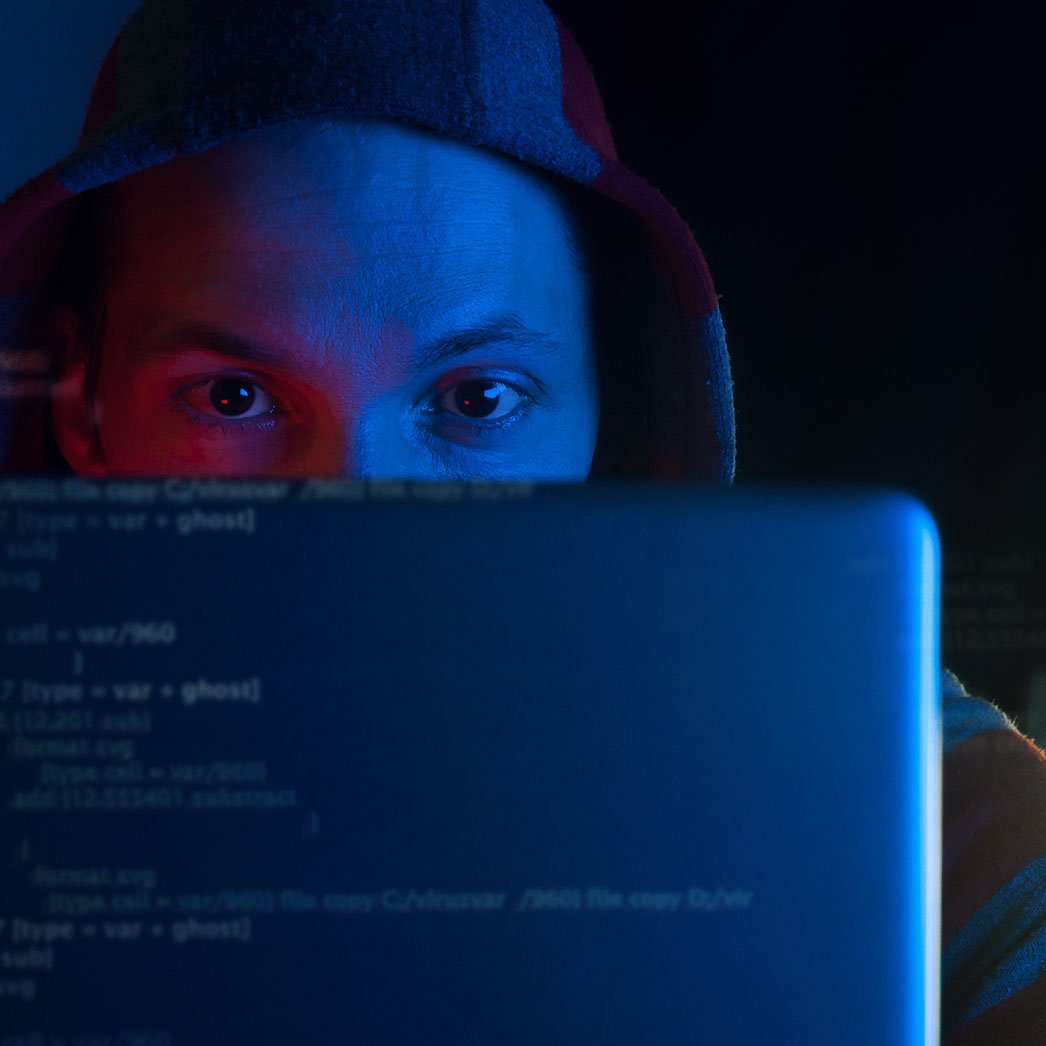
With the right defenses, property owners and managers can flip the script and shut cybercriminals down before they ever check-in. Consider just a few pages from the hacker’s playbook:
|
Their move |
Your defense |
|
Target seasonal staff with phishing emails |
Actionable security awareness training |
|
Exploit unsecured Internet of Things (IoT) devices in guest rooms |
Network segmentation and smart device isolation |
|
Skim credit card data from POS terminals |
End-to-end encryption and tokenization |
|
Use guest Wi-Fi as a backdoor to internal systems |
Segmented networks with enterprise-grade firewalls |
|
Launch attacks during peak seasons |
24/7 AI-driven monitoring and automated threat detection |
The hackers may have a playbook—but so do you. And every move has a countermeasure. With layered defenses that include end-to-end encryption, continuous monitoring, and practical employee training, you can stay ahead of evolving threats.
Security That Never Sleeps: ESP + NexusTek

ESP, a NexusTek company brings over 23 years of hospitality cybersecurity expertise and has successfully supported more than 1,000 new builds and transitions. Our success is driven by100 percent growth through referrals and client relationships—proof that trust, service, and results go hand-in-hand.
We specialize in securing the full hospitality stack: from POS systems and guest Wi-Fi to cloud infrastructure, IoT devices, mobile apps, and third-party integrations. We help you spot risk before it becomes a breach, patch vulnerabilities without impacting service, and empower your team to become part of the protection plan. Because in a world of increasing cyber threats, the best defense isn’t just about keeping hackers out—it’s about keeping your reputation, operations, and guest trust firmly intact.
About the Author

Jason Pullo
Founder, ESP, a NexusTek company
Jason Pullo is a seasoned technology entrepreneur with a passion for transforming the hospitality industry through innovative IT solutions. As Founder and CEO of Enterprise Solutions Providers, he leads the company’s vision and growth, helping hotels navigate everything from new builds and brand transitions to large-scale renovations. Since launching the firm in 2003, Jason has played a key role in the technology strategy behind more than 1,000 hotel acquisitions. His journey began at just 18 years old as an IT manager for a trade show company, and he’s since led major projects like a multimillion-dollar hotel renovation in New York City, delivering guest-centric technology with measurable business impact.
Ready to put up the “No Vacancy” sign for cybercriminals?
Contact ESP to learn how we help hospitality businesses turn cybersecurity from a cost center into a competitive advantage.