The Tech Menu for 2026: Restaurant Strategies for What’s Next and Why

NexusTek_Restaurants_2026_Main_Blog_Draft_v1.0
 

The restaurant industry stands at a crossroads. As we move into the new year, the establishments that thrive won't just be those serving great food—they'll be the ones leveraging technology to create seamless experiences, optimize operations, and build lasting customer relationships. The shift is being driven by accelerating guest expectations, mounting operational complexity, and new artificial intelligence (AI) and cloud technologies, transforming day-to-day performance. Restaurants are no longer asking whether to modernize, but which investments will strengthen service, protect margins, and meet the experience today’s guests expect.

The New Restaurant Reality: Technology as Competitive Advantage
NexusTek_Restaurants_2026_Images_Draft_v1.0_A

Today's diners expect the same digital convenience they experience everywhere else when they interact with restaurants. They want to order ahead, customize their meals, pay without waiting, and earn rewards effortlessly. In fine dining, they want reservation accuracy, smooth changes, and real-time availability. Meanwhile, restaurant operators face persistent labor challenges, rising costs, and razor-thin profit margins. 

It’s no surprise that three out of four restaurant operators view technology as their competitive edge, even as many struggle to keep up with its pace.1 Technology is now a core operational requirement, not a nice-to-have.

The restaurants that lead in 2026 will treat technology as a strategic investment—one that improves customer satisfaction, increases efficiency, stabilizes labor demands, and gives teams the clarity to make faster, better decisions.

The Six-Course Technology Tasting Menu for 2026
NexusTek_Restaurants_2026_Images_Draft_v1.0_B

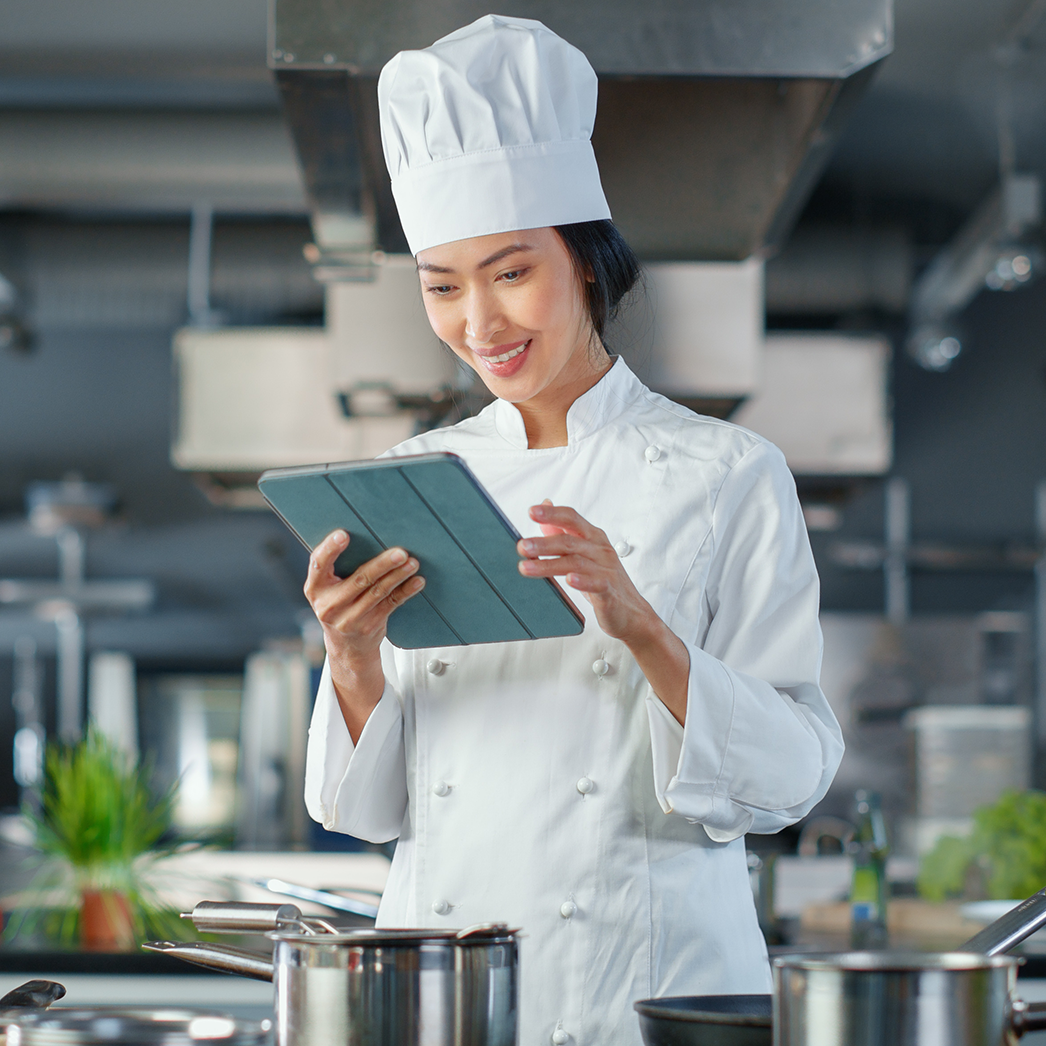
Just like a well-crafted dining experience, the most effective restaurant technology strategies aren’t a single dish. They’re a thoughtfully curated menu. Each course plays a role in delivering a seamless, consistent, and efficient operation. For 2026, here’s what belongs on every restaurant’s tech menu, and why each ingredient matters.The real challenge isn’t picking the right tools. It’s building a future-ready foundation that brings systems together, keeps operations running without friction, and delivers an experience guests return for season after season.

First Course: Cloud-Smart Infrastructure That Keeps the Kitchen Running

NexusTek_Restaurants_2026_Images_Draft_v1.0_C

Restaurants can’t afford downtime, especially during peak hours. A cloud-smart architecture that leverages hybrid and private cloud environments, paired with LTE failover, keeps POS, kitchen displays, and ordering platforms running even when local networks fail. By running workloads wherever they deliver the most value, whether on-premises, in the cloud, or at the edge, operators eliminate single points of failure and gain the flexibility to scale as guest traffic, menus, or service channels evolve.

Second Course: AI That Works the Line With You
NexusTek_Restaurants_2026_Images_Draft_v1.0_D

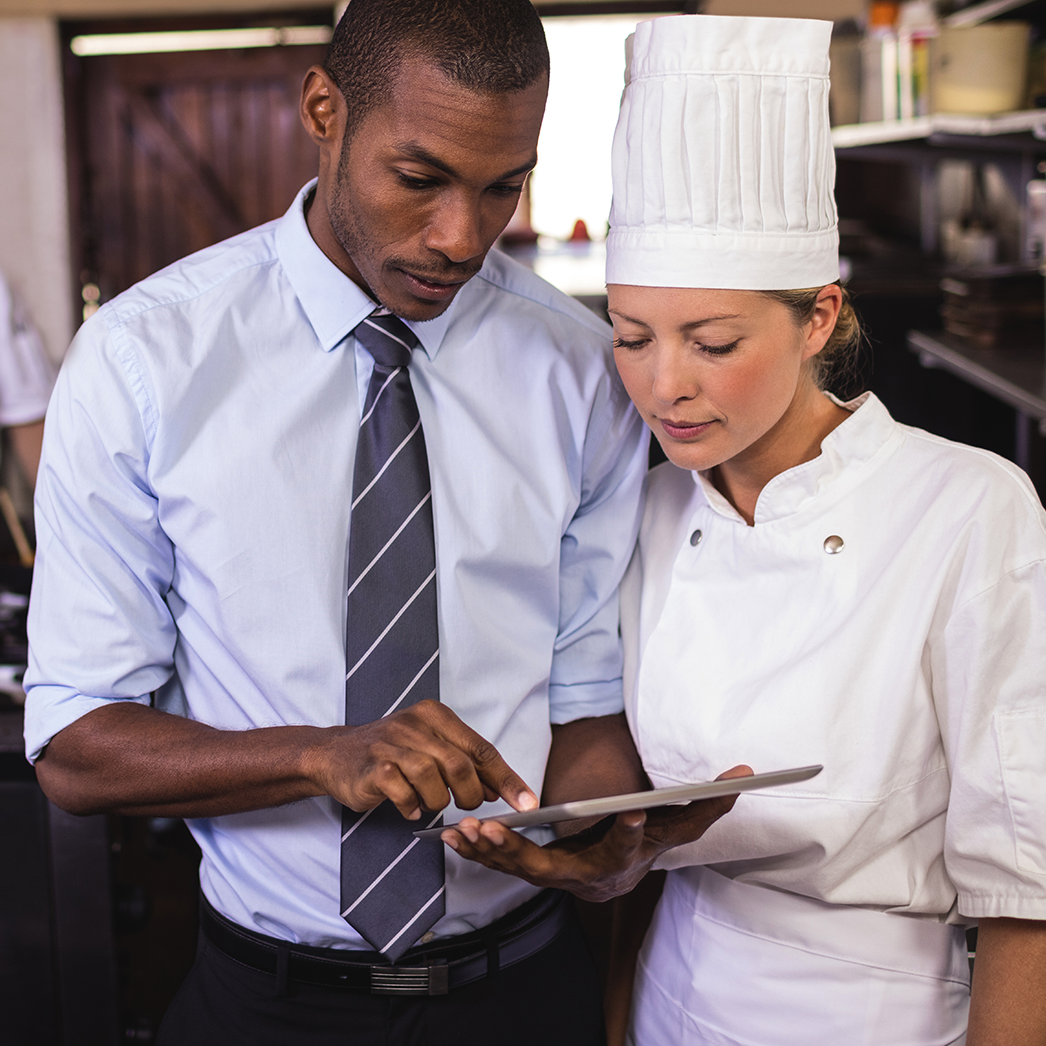
AI is becoming one of the most valuable tools in restaurant operations. AI-led, real-time demand forecasting improves labor planning and inventory accuracy. Smarter dashboards show managers what’s happening now. And automation typically reduces manual workload by 30 percent and cuts administrative time in half, giving managers more time to focus on their teams and guests.2 This is the balance modern restaurants need: AI handling complexity in the background, humans delivering the hospitality that keeps guests coming back.

Third Course: Data Worth Plating

NexusTek_Restaurants_2026_Images_Draft_v1.0_E

Every transaction, visit, order, and guest interaction creates valuable data—if you can actually use it. Many restaurants are still held back by legacy systems, disconnected platforms, and siloed reporting that make it hard to see what’s really happening across locations and systems. Operators often spend hours reconciling sales, labor, inventory, and payroll data, which slows decisions and creates room for inconsistencies. Data modernization unifies systems, cleans fragmented datasets, and gives teams real-time visibility they can trust. It also strengthens compliance practices and protects and safely handles sensitive guest information. With a modern, centralized foundation, restaurants can personalize experiences, refine menus, improve forecasting, and run the business with far greater confidence, shift after shift. 

Fourth Course: Security at Every Table
NexusTek_Restaurants_2026_Images_Draft_v1.0_F

The more restaurants go digital, the more they become targets for cyberattacks. Securing payment data, guest information, and operational systems is no longer optional; it’s foundational. Modern hospitality cybersecurity includes encrypted transactions, multi-factor authentication (MFA), segmented networks (e.g., separate staff Wi-Fi, guest Wi-Fi, and vendor systems), continuous patching, and automated monitoring that flags unusual activity before it becomes a breach. The average cost of a data breach is now USD 4.44 million globally and escalating even higher in the U.S.3 Restaurants also face rising risks from phishing, credential reuse, POS malware, and loyalty-account fraud, making proactive protection essential for daily operations. Strong governance simplifies audits while reducing risk, ensuring operators stay both compliant and protected without slowing down service or disrupting the guest experience.

Fifth Course: Continuity for the Dinner Rush

NexusTek_Restaurants_2026_Images_Draft_v1.0_G

Restaurants don’t pause just because a system does. Built-in continuity—automated backups, cloud-based disaster recovery, redundant connections, and resilient network design—keeps operations running through hardware failures, cyber incidents, outages, or unexpected disruptions. It protects everything from POS to kitchen displays to online ordering, preventing bottlenecks that can derail a shift in minutes. True continuity also reduces dependence on manual workarounds, cuts downtime-related losses, and keeps staff focused on service instead of troubleshooting. When continuity is baked into the operation, guests never notice an issue, staff stay confident, and revenue keeps flowing even in worst-case scenarios.

The Partner at Your Back of House: ESP, a NexusTek Company
NexusTek_Restaurants_2026_Images_Draft_v1.0_H

Technology isn’t static, and neither is restaurant service. As menus evolve, locations expand, and service models keep shifting, ESP, a NexusTek company, delivers the ongoing support restaurants need to stay ahead. With a team that understands the pace and pressure of hospitality, ESP keeps every system running smoothly and every location ready for the rush.

Here’s what operators gain with ESP behind the line:

  • 24/7 monitoring and response to keep all systems online
  • Outsourced help desk coverage to resolve issues quickly without draining internal teams
  • Proactive maintenance and patching so small problems never turn into service-stoppers
  • Secure, reliable networking across front- and back-of-house systems
  • Centralized support for POS, devices, and applications—not a patchwork of vendors
  • Strategic guidance to modernize the tech stack as operations grow or new locations open

Instead of reacting to outages or juggling providers, operators get one partner who maintains, modernizes, and scales the entire environment behind the scenes, so teams can stay focused on guests, not glitches.


Great Service Starts Here

The technology landscape for restaurants will continue evolving rapidly, but the fundamentals remain constant: invest in tools that solve real problems, choose integrated systems that work together seamlessly, protect guest data rigorously, and never lose sight of the human hospitality that makes dining out special.

Keep the rush smooth and the service seamless. ESP is ready when you are.


  1. National Restaurant Association, Restaurant Technology Landscape Report 2024, March 2024
  2. Tripleseat, Restaurant Technology: Top 2025 Trends and Tools, November 2025
  3. IBM, Cost of a Data Breach 2025, July 2025


About the Author

 
Picture of Jason Pullo
 

Jason Pullo

Founder, ESP, a NexusTek company

Jason Pullo is a seasoned technology entrepreneur with a passion for transforming the hospitality industry through innovative IT solutions. As Founder and CEO of Enterprise Solutions Providers, he leads the company’s vision and growth, helping hotels navigate everything from new builds and brand transitions to large-scale renovations. Since launching the firm in 2003, Jason has played a key role in the technology strategy behind more than 1,000 hotel acquisitions. His journey began at just 18 years old as an IT manager for a trade show company, and he’s since led major projects like a multimillion-dollar hotel renovation in New York City, delivering guest-centric technology with measurable business impact.

linkedin-icon2x


Keep the rush smooth and the service seamless.

Talk to ESP about a restaurant IT strategy built for 2026.